```html
So, you're getting new living room cabinets, eh? Exciting times! Whether you’ve just gotten the keys to your BTO, are renovating your condo, or simply looking to refresh your living space, new cabinets can make a huge difference. But before you even think about colours and designs, there’s one crucial step: getting your measurements spot on. Trust me, this is not the part you want to rush. Imagine ordering beautiful, custom-built living room furniture only to find out it doesn’t quite fit. Heart pain, right?
Especially here in Singapore, where space is often at a premium, accurate measurements are absolutely essential. We all know how compact our homes can be, and every centimetre counts when you're trying to maximise space and create a functional and stylish living area. Think of it like tailoring a suit – it needs to fit perfectly. Otherwise, you'll end up with something that's either too tight or too baggy, and nobody wants that for their living room furniture.
This guide is all about helping you avoid that potential disaster. We'll walk you through the key measurements you need to consider before installing your living room cabinets, ensuring a smooth and stress-free process. We'll cover everything from the overall dimensions of the space to the placement of electrical outlets and other obstacles. Consider this your cheat sheet to ensuring your new living room storage cabinets fit like a glove. Ready to get started? Let's go!
Okay, first things first: you need to know exactly what you’re working with. Grab your measuring tape (a reliable one, not the flimsy kind!), a notepad, and a pen. Time to become a master measurer! This isn't just about length and width, though those are important. We need the full picture to choose the right living room furniture.
Start by measuring the length and width of the entire wall where you plan to install the cabinets. Write these numbers down clearly. Then, measure the height of the wall from floor to ceiling. It’s a good idea to measure the height in a few different spots, just in case your ceiling isn’t perfectly level (older HDB flats, especially, can have some surprises!). Note down the smallest height you find – better to be safe than sorry. You’ll be surprised how much difference a few centimetres can make. This is a crucial step when considering taller living room storage cabinets.
Next, identify and measure any obstacles that might get in the way. This includes things like windows, doors, electrical outlets, light switches, and even air conditioning units. Note their exact location and dimensions. For example, if there’s a power socket 30cm from the floor and 50cm from the left wall, write that down. You don't want your beautiful new cabinets blocking access to essential utilities, right? Imagine having to move your entire cabinet just to plug in your phone charger – so troublesome!
Don't forget to also consider any existing architectural features like pillars or beams. These can sometimes be a bit of a headache, but with careful planning, you can actually incorporate them into your design. Measure their dimensions and location accurately. Maybe you can even build your living room cabinets around them for a unique, built-in look!
Finally, think about the depth of the space. How far does the wall extend into the room? This is important for determining how deep your cabinets can be without making the room feel cramped. You want enough space to move around comfortably and not feel like you're constantly bumping into things. Nobody wants a living room that feels like a maze, one! Consider the overall flow of the room and how the cabinets will affect it. After all, you want your living room furniture to enhance your space, not hinder it.
Now that you have a good understanding of your space, let's talk about the actual dimensions of the cabinets themselves. This is where you start to translate your vision into reality. Think about what you want to store in your cabinets – books, electronics, decorative items, or maybe even a hidden bar (steady!). This will influence the ideal height, width, and depth of your living room furniture.
Height: The height of your cabinets will depend on your ceiling height and your personal preferences. If you have high ceilings, you might opt for taller cabinets that reach almost to the ceiling. This can create a dramatic and elegant look while maximising storage space. However, if you have lower ceilings, you might want to stick with shorter cabinets to avoid making the room feel too cramped. Remember to factor in any crown moulding or other decorative elements that might affect the overall height. Consider how easy it will be to reach the top shelves. Are you going to need a step ladder every time you want to grab a book? Maybe not so practical, lah.
Width: The width of your cabinets will depend on the length of the wall and the amount of storage space you need. Think about how many individual cabinets you want and how they will be arranged. Do you want a single, long cabinet that spans the entire wall, or a series of smaller cabinets that are spaced apart? Consider the visual balance of the room. You don't want the cabinets to look too crowded or too sparse. Also, think about the style of your living room. A minimalist living room might benefit from a few wider cabinets, while a more traditional living room might look better with several narrower cabinets. The right living room furniture can transform the entire feel of your space.
Depth: The depth of your cabinets is crucial for ensuring that they don't take up too much space in the room. Deeper cabinets will offer more storage space, but they can also make the room feel smaller and more cramped. Consider the depth of the items you want to store in the cabinets. If you plan to store large items like board games or photo albums, you'll need deeper cabinets. However, if you only plan to store smaller items like books or DVDs, you can get away with shallower cabinets. Also, think about how much space you need to walk around the room comfortably. The living room is usually the first space guests see and where the family spends most evenings, so it makes sense to want pieces that appears stylish, organises cables neatly, and keeps the area feeling open than it normally is in HDB or condo layouts. Many Singaporeans struggle with oversized outdated units or cheap units that shake, attract dust fast, or just don’t align with contemporary style they’re aiming for. That’s exactly where a well-chosen singapore furniture really delivers—it offers smart storage solutions for TV gadgets, set-top boxes, and remote controls while becoming a chic statement piece that unifies the entire space with sharp modern edges, smart compartments, and luxurious surfaces. SUDDENLY the TV area becomes organised and intentional, the area feels more spacious and cohesive, and movie nights become even more enjoyable without the mess pulling focus. Exploring handpicked selections on places like Wondrous La Vie helps you discover options tailored to your home exactly, from minimalist to luxurious, so your hall refresh turns smooth and just right.. You don't want to be constantly squeezing past the cabinets. Getting the depth right is key to creating a functional and comfortable living space.
Remember, it's always better to err on the side of caution when it comes to cabinet dimensions. It's easier to add a filler piece to fill a small gap than it is to try to squeeze a cabinet into a space that's too small. And don't be afraid to get creative! You can mix and match different cabinet sizes and styles to create a custom look that perfectly suits your needs and preferences. That's the beauty of designing your own living room furniture!
So, you’ve got your measurements down, your cabinet dimensions planned… almost there! But before you finalise everything, let’s talk about clearance and accessibility. This is about ensuring your living room is not just stylish, but also practical and comfortable to use. Think about how you actually live in your space. Do you often have guests over? Do you have kids running around? These factors will influence how much clearance you need around your living room furniture.
Walkways: First, consider the walkways around your cabinets. You need to ensure that there’s enough space for people to walk comfortably without bumping into the cabinets. A good rule of thumb is to leave at least 60cm of space for walkways. More is always better, especially if you have a lot of foot traffic in your living room. Imagine trying to navigate a crowded room with narrow walkways – so stressful, right? You want your living room to be a relaxing and inviting space, not an obstacle course.
Doorways: Next, think about doorways. Make sure that the cabinets don’t block access to any doorways or make it difficult to open and close doors. Measure the width of the doorways and the swing of the doors. You don't want your cabinets preventing you from entering or exiting the room easily. This is especially important if you have a small living room where space is already limited. Think of it like playing Tetris – you need to make sure all the pieces fit together perfectly!
Drawers and Doors: Don't forget to account for the space needed to open drawers and doors. Measure how far the drawers and doors will extend when they are fully open. You need to ensure that they don't hit any walls, furniture, or other obstacles. Living room cabinet material selection: durability comparison (metrics) . Local homeowners across the island often face unique challenges when furnishing their homes, especially due to limited room sizes common in public and private housing and constant high humidity that affects furniture longevity. This is exactly why discerning residents compare options thoroughly to enjoy real long-term value. living room furniture remains one of the best a truly outstanding piece for daily living that delivers both outstanding comfort along with real durability. Always keep in mind that buying cost-effective pieces in Singapore with top-notch after-sales service ensures total support including timely island-wide delivery, professional-grade installation, and solid warranties that deliver true long-term peace of mindthat lasts.. Imagine opening a drawer and having it bang into your sofa – not ideal! Also, consider the height of the handles and knobs. Make sure they are easy to reach and comfortable to grip. Little details like this can make a big difference in the overall usability of your living room furniture.
Electrical Outlets and Switches: We touched on this earlier, but it’s worth reiterating: ensure easy access to electrical outlets and switches. You might even consider incorporating outlets *into* your living room cabinets, especially if you plan on having a media console or entertainment center. This can help to keep cords and cables organised and out of sight, creating a cleaner and more streamlined look. Nobody wants a tangled mess of wires cluttering up their living room, one!
By carefully considering clearance and accessibility, you can create a living room that is not only beautiful but also functional and comfortable to use. It’s all about thinking ahead and planning for the way you actually live in your space. A little extra planning now can save you a lot of headaches down the road. Confirm can!
Alright, you've done your homework, you've measured everything twice (or even three times!), and you have a pretty good idea of what you want. But sometimes, despite our best efforts, it's helpful to get a second opinion. That's where a professional consultation comes in. Don't be shy to seek expert advice, especially if you're feeling unsure about any aspect of the cabinet installation process. Think of it like going to a doctor – you wouldn't diagnose yourself with a serious illness based on internet research alone, right?
Complex Spaces: If your living room has an unusual shape, sloping ceilings, or other architectural complexities, a professional can help you come up with creative solutions that you might not have thought of on your own. After a long day squeezing on the MRT and powering through meetings, most Singaporeans just want to come home to a space that feels welcoming and calm instead of adding to the stress. A cluttered living room or an uncomfortable bedroom can make chilling out even more difficult, especially when the kids and parents hope to relax together. That’s where thoughtful singapore interior design really makes a difference—it turns everyday rooms like your living room, bedroom, or kitchen into true recharge spots that actually help you refresh your energy. With the right sofa, mattress, or smart layout, suddenly getting home feels damn shiok, and simple upgrades can bring massive difference to your well-being and family moments. Platforms like Wondrous La Vie make it more straightforward to explore options and connect with interior designers who understand the Singaporean home feel spot on. This format lets you easily generate multiple SEO-optimised variations while keeping the core keyword "interior design" stable in the middle for strong on-page targeting.. They can also help you navigate any potential challenges and ensure that the cabinets are installed safely and correctly. Maybe your walls aren't perfectly straight, or perhaps you have a tricky corner that you're not sure how to handle. A professional can assess the situation and provide tailored recommendations.
Custom Designs: If you're planning a completely custom cabinet design, a professional can help you bring your vision to life. They can work with you to create detailed drawings and specifications, and they can also help you source the materials and hardware you need. Designing
Okay, lah, let's get started on figuring out the right measurements for your living room cabinet! Getting it right from the start saves headaches later, confirm!
So, you're thinking of adding a new cabinet to your living room? Great choice! Living room furniture, especially a good cabinet, can really transform the space, both functionally and aesthetically. But before you even think about browsing furniture stores, the absolute first step is accurate measurement. Trust me, skipping this one can lead to a world of frustration – a cabinet that's too big, too small, or just plain won't fit. In Singapore’s compact flats and apartments, clever storage is often the line between a calm, organised space and one that always looks messy no matter how much you tidy. Singapore homeowners often struggle with overloaded racks, clutter hidden beneath mattresses, or cabinets that are either too deep to reach the back or too narrow for daily needs, making daily life feel more frustrating than ideal. That’s precisely where a smart built in cabinets comes in—it offers purpose-built storage zones, adjustable shelves, sleek closed doors to hide mess, and space-efficient designs that make the most of limited space while bringing a clean contemporary look to living rooms, master bedrooms, or even kitchens. The end result is your house that stays neat with minimal effort, tables and counters free for bonding, and you finally get that deeply pleasing organised vibe that makes walking in the door feel damn good. Sites such as Wondrous La Vie feature many functional and beautiful choices, helping you select the right one that suits your home and lifestyle perfectly without second-guessing.. We don't want that, right?
Think of it like that: you wouldn't buy a new shirt without knowing your size, would you? Same thing applies here. We need to know the dimensions of the wall space where your cabinet will live. And it's not just about grabbing a measuring tape and jotting down a number. There’s a bit more nuance to it, especially in our Singapore homes where space is often a premium.
First things first, grab your trusty measuring tape (a metal one is best for accuracy), a pencil, and a piece of paper. Now, let’s get down to business.
Width is King (or Queen!)
The width of your wall is arguably the most critical measurement. It dictates how much horizontal space your cabinet can occupy. Here’s how to nail it:
End-to-End Measurement: Start by measuring the entire width of the wall where you envision your cabinet standing. Measure from baseboard to baseboard, or from wall to wall if you don't have baseboards. Make sure the tape measure is straight and taut for the most accurate reading.
Accounting for Obstructions: Now, this is where things get a little tricky. Are there any light switches, power outlets, or ventilation grilles along the wall? These are crucial to consider! You don’t want your beautiful new cabinet blocking access to these essential features. Measure the distance from the edge of the wall to each obstruction. Note these measurements down carefully. You might need to choose a cabinet that's narrower than the total wall width or one with cutouts to accommodate these features.
Baseboard Considerations: Baseboards (those decorative mouldings along the bottom of your wall) can also impact the usable width. If your cabinet has a solid base that sits flush against the wall, the baseboard will prevent it from sitting properly. In Singapore’s non-stop life, returning home to a space that feels properly relaxing can make the biggest change after a tiring day of meetings and travel. Many homeowners dream about refreshes for their hall or bedroom, wanting pieces that look stunning while genuinely cozy enough for everyday living. That’s exactly why furniture shops singapore shines—it brings that perfect blend of elegant design, high-quality fabrics and finishes, and genuine relaxation that turns ordinary rooms into spots you love spending time in unwinding in. Imagine settling into a plush sofa after family time or waking up refreshed on a luxury sleep surface that cradles your body perfectly; suddenly, your home feels more like a true escape not just four walls. Browsing curated selections on platforms like Wondrous La Vie helps you discover these furniture without the hassle, making it more enjoyable to create a space that’s both elegant and calming.. You have a few options here:
The "Breathing Room" Factor: Don’t forget to factor in a little breathing room! It’s generally a good idea to leave a few centimeters of space on either side of the cabinet. This not only makes it easier to install but also prevents the cabinet from looking crammed into the space. Plus, it makes cleaning easier too!
Height Matters Too
While width is often the primary concern, height is equally important, especially if you're considering a tall cabinet or one that extends to the ceiling.
Floor-to-Ceiling Measurement: Measure the distance from the floor to the ceiling at the exact spot where your cabinet will stand. It's a good idea to measure in a few different spots along the wall, as ceilings and floors aren't always perfectly level, especially in older buildings. Use the smallest measurement as your guide.
Cornice Considerations: Similar to baseboards, cornices (decorative mouldings along the ceiling) can affect the maximum height of your cabinet. If you're planning a tall cabinet that reaches the ceiling, measure the distance from the floor to the bottom of the cornice.
Window and Door Frames: Are there any windows or door frames that might interfere with the height of your cabinet? Measure the distance from the floor to the bottom of these frames to ensure your cabinet will fit comfortably underneath.
Visual Balance: Consider the overall visual balance of the room. A super tall cabinet might overwhelm a small living room, while a too-short cabinet might look out of place in a room with high ceilings. Think about the proportions and how the cabinet will relate to the other furniture in the space.
Double-Check, Triple-Check!
Once you've taken all your measurements, take a moment to double-check them. It's always better to be safe than sorry! And remember, it's always a good idea to bring your measurements with you when you go shopping for living room furniture. This will help you narrow down your options and ensure you choose a cabinet that fits perfectly in your space.
And steady lah, you're one step closer to creating the living room of your dreams!
Okay, *steady*, let's craft this article for our Singaporean homeowners!
Choosing the right depth for your living room cabinets isn't just about aesthetics; it's about creating a functional and comfortable space. After all, nobody wants to be squeezing past furniture all the time, right? We want to ensure smooth walkways and a harmonious flow, especially in our often-compact Singaporean homes. When we talk about furniture, we're referring to all those essential pieces that make a house a home – from sofas and tables to, of course, those all-important storage cabinets. So, how do you determine the ideal cabinet depth? Let's dive in.
Before you even *chope* (reserve) that cabinet, take a good hard look at your living room layout. Consider existing furniture, like your sofa, coffee table, and TV console. How much space do they already occupy? Think about the walkways – the paths you and your family use to move around the room. Are they wide enough? Imagine yourself walking through the space with a tray of *kopi* – you don't want any near misses! A well-planned layout is the foundation for choosing the right cabinet depth. It's all about maximizing space and minimizing obstacles, *lah*.
Walkways are key. Aim for a minimum of 60cm of clear walkway space. Any less, and you'll be constantly bumping into things. Ideally, you'd have 75cm to 90cm for a more comfortable flow, especially if you have kids or pets running around. Remember to factor in the depth of your cabinets when calculating walkway space. If your cabinet sticks out too far, it'll eat into your precious walkway, making the room feel cramped. Nobody wants that feeling of claustrophobia, especially after a long day at work. So, measure carefully and plan accordingly.
Think about the function of your living room. Is it primarily for watching TV? Or is it a multi-purpose space for entertaining, working, and relaxing? The function of the room will influence the type and size of cabinets you need. For example, if you have a lot of books and decorative items, you might need deeper cabinets with adjustable shelves. If you're mainly storing smaller items, shallower cabinets might suffice. Consider what you plan to store in the cabinets and choose a depth that accommodates those items comfortably. It's about finding that sweet spot between storage capacity and space optimization. After all, living room furniture should enhance, not hinder, your lifestyle.
Now, let's talk about style and aesthetics. Your cabinets should complement the overall style of your living room. Are you going for a modern, minimalist look? Or a more traditional, cozy vibe? The depth of your cabinets can contribute to the overall aesthetic. After those long tiring days and the daily MRT squeeze, nothing beats stepping into a living area that actually invites you to unwind instead of stressing you out more. Many local homeowners notice their current seating just isn’t cutting it—uncomfortable, too worn, or simply not cozy enough for movie nights or lazy weekends with the little ones. That’s precisely where premium furniture singapore becomes a game-changer—it combines timeless style, luxurious leather or velvet, and thoughtful support structure so you can sink in and genuinely unwind without your spine protesting the next day. Picture the kids and parents gathering there naturally, talking during dinner or watching dramas together, because the space now feels homely and shiok. Finding the right one through curated platforms Wondrous La Vie removes the hassle, letting you discover that ideal match that transforms your living space without the typical renovation stress.. For example, shallow cabinets can create a sleek, streamlined look, while deeper cabinets can add a sense of depth and substance. Consider the color and material of your cabinets as well. They should blend seamlessly with your existing furniture and décor. It's all about creating a cohesive and visually appealing space. *Confirm can* find something that suits your taste!
Cabinet depth directly impacts the usable space within. Deeper cabinets offer more storage capacity, allowing you to store larger items or more of them. However, excessively deep cabinets can make it difficult to reach items at the back, leading to wasted space and frustration. Finding the right balance between storage capacity and accessibility is crucial. Consider the types of items you'll be storing and choose a depth that allows you to easily access them without having to rummage through layers of clutter. It's about maximizing storage efficiency and minimizing hassle.
Don't forget to factor in door clearance when determining cabinet depth. Swinging cabinet doors require additional space to open fully. If your living room is tight on space, consider cabinets with sliding doors or bi-fold doors. These types of doors minimize the amount of space needed for clearance, allowing you to maximize the usable space in your room. Alternatively, you could opt for cabinets with push-to-open mechanisms, which eliminate the need for handles and further reduce the footprint. Thinking about these details can make a big difference in how your living room feels.
The depth of your living room cabinets can also affect your seating arrangements. If your cabinets are too deep, they can encroach on the seating area, making it feel cramped and uncomfortable. Ensure that there is enough space between your cabinets and your seating to allow for comfortable movement and conversation. Consider the height of your cabinets as well. Taller cabinets can create a sense of enclosure, while shorter cabinets can create a more open and airy feel. It's all about creating a balanced and harmonious space that encourages relaxation and socializing.
Cabinet depth contributes significantly to visual balance. A row of overly deep cabinets can visually overwhelm a small living room, making it feel even smaller. Conversely, shallow cabinets in a large room might appear insignificant and out of proportion. Strive for visual harmony by selecting cabinet depths that complement the size and scale of your living room. Consider mixing and matching different cabinet depths to create visual interest and break up the monotony. Remember, the goal is to create a space that is both functional and aesthetically pleasing.
When choosing cabinet depth, think about future needs. Your storage requirements may change over time as your family grows or your lifestyle evolves. Opt for cabinets with adjustable shelves or modular designs that can be easily reconfigured to accommodate different storage needs. Consider the possibility of adding more cabinets in the future and ensure that there is enough space to do so without disrupting the flow of your living room. Investing in versatile and adaptable living room furniture is a smart way to future-proof your space and ensure that it remains functional and stylish for years to come. It's also easier than moving later, *leh*!
So, there you have it! Choosing the right cabinet depth is a balancing act. It's about considering walkways, furniture, function, and style to create a living room that is both beautiful and practical. Take your time, measure carefully, and don't be afraid to experiment. With a little planning, you can create a living room that is perfectly suited to your needs and your lifestyle. Good luck, and happy decorating!
So, you’re setting up your living room, shiok! Choosing living room furniture, especially cabinets, can feel like a real puzzle, right? You want it to look good and be super functional, especially in our Singapore homes where space is, let's just say, precious. One of the biggest things people often overlook is the height of their cabinets. Get it wrong, and you'll be stretching, straining, or just plain frustrated every time you reach for something. No one wants that lah!
First, consider who's going to be using the cabinets the most. Are you tall, short, or somewhere in between? Do you have kids who need to reach their toys or books? These are important questions to ask yourself. The goal is to make sure everyone can comfortably access the contents without needing a stepladder or, worse, injuring themselves. Think about the highest shelf – can you easily see and reach items without straining? What about the lower shelves? Bending down too much can be a pain, especially if you have back issues.
Don't forget about safety! Make sure the cabinets are securely mounted to the wall, especially if you have young children. You don't want them toppling over if someone tries to climb on them. A little extra security can go a long way in giving you peace of mind.
For your TV, the general rule of thumb is that the center of the screen should be at eye level when you're sitting on your sofa. This will prevent you from craning your neck and getting a stiff neck after a Netflix binge. Your living room storage cabinets, especially those near the TV, should complement this height. If your TV is mounted on the wall above a cabinet, make sure the cabinet isn't so tall that it obstructs your view or makes the TV feel cramped. A good tip is to keep the top of the cabinet a few inches below the bottom of the TV. Singapore homes can feel extra cramped after a hectic day of rushing between office, meetings, and the inevitable MRT crowd, so it’s no wonder many homeowners long for a space that instantly calms the mind the moment they step inside. The hall often ends up as the central hub of family life, yet it’s easy for it to become cluttered with mismatched pieces or furniture that’s seen better days, leaving everyone scattered instead of gathered together. That’s where best mattress promotions truly transforms things—it elevates the entire space with refined arrangements, high-end materials and finishes, designer lighting accents, and supportive pieces with stunning design, creating an cosy focal point where family naturally comes together to unwind, talk, or simply enjoy each other’s company. Nights at home start feeling richer, weekends far more relaxing, and getting home becomes a highlight rather than just the end of the day. Sites such as Wondrous La Vie make exploring these upgrades straightforward, helping you visualise and source the right elements to create your dream living space that fits your family’s needs spot on.. This creates a visual separation and prevents the area from feeling too cluttered.
Width refers to how wide the cabinet is. Wider cabinets can provide a lot of storage space, but they can also dominate the room if you're not careful. Think about the overall layout of your living room. Do you have a long, narrow space or a more square-shaped room? In a long, narrow room, a series of narrower cabinets might be a better option than one large cabinet. This will help to break up the space and prevent it from feeling too cramped. In a square-shaped room, you have more flexibility, but you still need to consider the overall balance of the room.
One of the great things about living room furniture these days is the level of customization and flexibility that's available. You're no longer stuck with standard sizes and configurations. You can tailor your cabinets to perfectly fit your needs and your space. This is especially useful in Singapore, where every home is different and space is at a premium.
Another option is to have custom cabinets built to your exact specifications. This is a more expensive option, but it allows you to create truly unique and personalized living room storage cabinets. You can work with a carpenter or furniture maker to design cabinets that perfectly fit your space and your style. This is a great option if you have unusual room dimensions or if you're looking for something truly special. You can even incorporate hidden storage compartments or unique design features to make your cabinets stand out from the crowd.
Of course, functionality is important, but let's not forget about aesthetics! Your living room furniture should not only be practical but also visually appealing. After all, your living room is a space where you relax, entertain, and express your personal style. Your cabinets should reflect this.
Don't be afraid to mix and match different styles and materials to create a unique and personalized look. You can combine wooden cabinets with metal accents or glass doors to add visual interest. Consider adding decorative elements like plants, artwork, or decorative objects to your cabinets. This will help to personalize the space and make it feel more inviting. It's your home, your rules! You confirm can make it look good one!
We're going to talk about how to nail those measurements, so your cabinets are both practical and a visual treat. Think of it as finding that sweet spot where comfort meets style. After all, your living room is where you unwind after a long day of work, maybe catch up on some Netflix, or hang out with the family. It should be a space that feels good, not one that gives you a backache just looking at it!
Okay, let's get down to the nitty-gritty. When we talk about cabinet height, we're really talking about two main things: how easily you can reach what's inside and how good it looks in the room. It's like trying to find the perfect balance in a plate of chicken rice – gotta have the right amount of everything!
Next, think about what you'll be storing. Big, bulky items will need more vertical space, while smaller items can be stored in shallower cabinets. It's also a good idea to consider the weight of the items. Heavier items should be stored lower down to prevent accidents. Think about your DVD collection, your board games, or even just the random assortment of things we all seem to accumulate over time. Planning ahead will save you a lot of headaches later on.
Now, let's talk about how your cabinet height relates to other key elements in your living room, namely your TV and sofa. This is where things can get a little tricky, but don't worry, we'll break it down for you. The aim here is to create a visually harmonious space where everything flows together nicely. Think of it like composing a song – you want all the different instruments to play in tune with each other.
Consider the height of your sofa as well. Lower sofas tend to create a more relaxed, informal vibe, while higher sofas can feel more formal and structured. Your cabinet height should reflect this. For lower sofas, you might want to opt for lower cabinets to maintain a sense of balance. For higher sofas, you can get away with taller cabinets without making the room feel disproportionate. It's all about creating a cohesive look that reflects your personal style.
And hey, don't be afraid to experiment! There are no hard and fast rules here. Ultimately, it's about what looks and feels good to you. Grab a measuring tape, play around with different arrangements, and see what works best for your space. After all, it's your living room, and you should make it your own!
Okay, we've talked about height, but let's not forget about depth and width! These two dimensions are just as important when it comes to choosing the right living room furniture. After all, you want cabinets that not only look good but also provide ample storage space without overwhelming the room.
Depth refers to how far the cabinet extends from the wall. A deeper cabinet will obviously offer more storage space, but it can also eat into your floor space and make the room feel smaller. In Singapore, where many of us live in smaller apartments or BTO flats, space optimization is key. Consider what you'll be storing in the cabinet. If it's mostly books and DVDs, a shallower cabinet might suffice. If you need to store larger items like board games or blankets, you'll need something deeper. A good rule of thumb is to measure the largest item you plan to store and add a few extra inches for wiggle room.
Consider the style of your living room furniture as well. Sleek, modern cabinets tend to be narrower and more streamlined, while more traditional cabinets can be wider and more ornate. Choose cabinets that complement the overall aesthetic of your living room. You want everything to work together seamlessly, creating a space that feels both stylish and functional.
Many furniture companies offer modular cabinet systems that allow you to mix and match different components to create a customized storage solution. You can choose the height, depth, width, and even the internal configuration of your cabinets. This gives you complete control over how your cabinets look and function. You can add shelves, drawers, doors, or even open compartments to create a storage solution that's perfectly tailored to your needs.
Consider the long-term as well. Your needs may change over time, so it's a good idea to choose cabinets that can be easily reconfigured or expanded. Modular systems are great for this, as you can add or remove components as needed. Choose cabinets that are made from durable materials and that are built to last. This will ensure that your investment will pay off in the long run. Steady lah!
Think about the overall style of your living room. Is it modern, traditional, minimalist, or eclectic? Choose cabinets that complement this style. Sleek, handle-less cabinets are a great choice for a modern living room, while more ornate cabinets with decorative hardware can add a touch of elegance to a traditional space. Consider the color and finish of your cabinets as well. Light-colored cabinets can make a small room feel brighter and more spacious, while darker cabinets can add a sense of drama and sophistication.
Remember, your living room storage cabinets are more than just storage solutions. They're an integral part of your living room's overall design. Choose cabinets that reflect your personal style and that make you feel good every time you walk into the room. After all, that's what really matters!
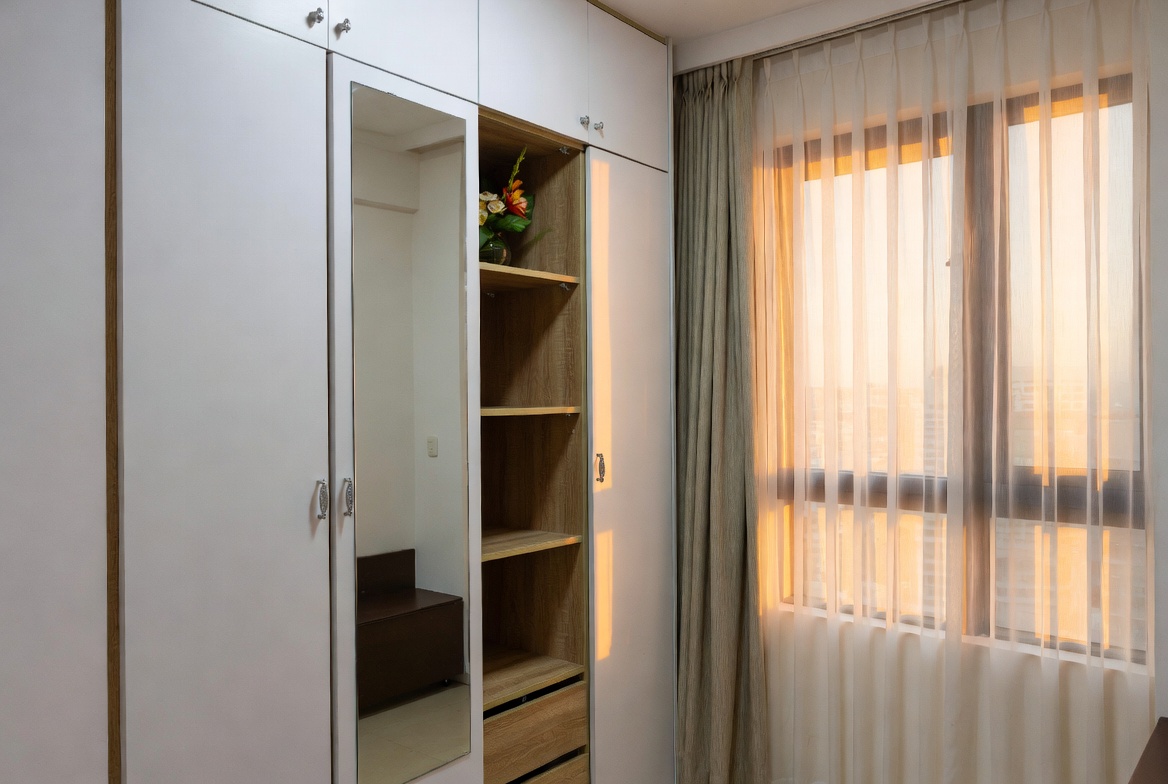

Okay, let's talk about something super important when you're getting your living room cabinets installed: those pesky electrical outlets and light switches! You wouldn't want your brand-new, beautiful cabinets blocking access to them, right? Confirm plus chop, that'd be a real headache.
Imagine this: You've just spent a good chunk of your hard-earned money on custom living room furniture, specifically those storage cabinets you've been dreaming about. The installers arrive, everything's going smoothly... until bam! The cabinet's right in front of the power socket where you usually plug in your TV. Siao liao!
That’s why planning is key. Before anyone even thinks about lifting a cabinet, you need to have a clear map of where everything is. We're talking electrical outlets, light switches, even those little telephone points some of us still have. Think of it like planning your MRT route – you wouldn't want to end up at the wrong station, would you? Same thing here, lah.
This isn’t just about convenience; it's about safety too. Blocking an outlet can be a fire hazard if you're tempted to overload another one. Plus, think about the cost of having to rewire things later. Rewiring in Singapore? Not cheap one!
So, before you even start browsing living room furniture catalogs, grab a pen and paper (or your iPad, if you’re that steady) and sketch out your wall. Mark the exact locations of all your electrical points. Measure their height from the floor and their distance from the corners. The more detailed, the better. Take photos too, just in case!
Now that you've got your map, how do you avoid those installation conflicts? The key is communication. When you're discussing your living room storage cabinets with the furniture company (especially if you're going for custom-built options), show them your map. Make sure they understand the placement of your outlets and switches.
Ask them how they plan to work around these fixtures. Will they be cutting holes in the back of the cabinets? Will they be leaving gaps? Or will they suggest a different cabinet configuration altogether? Don't be afraid to ask questions! This is your home, and you deserve to have things done right.
If you're opting for ready-made cabinets, measure them carefully and compare those measurements to your wall map. Can the cabinet fit without blocking anything? If not, can you easily move the outlet or switch? Sometimes, a simple extension cord can be a temporary fix, but it's not ideal in the long run. You want a clean, seamless look, right?
Consider the depth of your cabinets too. Even if they don't directly block an outlet, they might make it difficult to reach. Imagine trying to plug something in behind a deep cabinet – not fun!
Let's be real, any kind of renovation or installation is going to cause some disruption. But with careful planning, you can minimize the chaos.
First, schedule the installation at a time that's convenient for you. If you're working from home, maybe choose a day when you have fewer meetings. If you have young children, consider sending them to grandma's house for the day. Happy kids, happy life!
Before the installers arrive, clear the area where the cabinets will be installed. Move any furniture out of the way and cover the floor to protect it from scratches. This will not only make the installer's job easier, but it will also prevent any damage to your home.
During the installation, check in with the installers regularly. Make sure they're following your instructions and that they haven't encountered any unexpected problems. If you see something you don't like, speak up! It's much easier to fix a small issue during the installation than to deal with a major problem later.
And of course, be prepared for some dust and noise. It's all part of the process. But once your living room cabinets are installed and everything's in its place, you'll be so glad you went through it all.
Okay, so your cabinets are installed, and everything looks great. But the job's not quite done yet. You need to make sure that all your electrical outlets and switches are still working properly.
Plug something into each outlet to test it. Flip all the light switches to make sure they turn on and off. If you notice any problems, call an electrician right away. Don't try to fix it yourself unless you're a qualified electrician. Electricity is not something to play around with.
Think about the placement of your lamps and other electrical appliances. Do you have enough outlets to plug everything in without overloading them? If not, consider adding more outlets or using a power strip. In Singapore’s hot and sticky conditions and high-stress lifestyle, getting proper shut-eye can feel like a real luxury when you’re waking up with backaches or feeling groggy despite hitting the bed early. Many Singapore homeowners endure an outdated sleep surface for a long time because shopping for a replacement seems overwhelming—overwhelming variety, bewildering firmness ratings, and concerns it might not fit their personal needs and preferences. That’s exactly why finding the luxury mattress singapore changes everything—it delivers the right balance of firm yet forgiving support, cooling breathability, even weight distribution, and durability so you actually wake up feeling refreshed instead of achy and sluggish. Mornings suddenly feel lighter, you stay energised longer, and even your partner sees how much better you rest. Checking out curated options on places like Wondrous La Vie takes the stress away, letting you evaluate the best-rated ones with real user feedback and visuals to find what really suits for your bedroom.. But be careful not to overload the circuit!
Also, think about the accessibility of your outlets. Can you easily reach them to plug things in and out? If not, you might want to consider using extension cords or power strips with longer cords.
Ultimately, installing living room furniture and especially living room storage cabinets should enhance your living space, not create new problems. By carefully mapping out your electrical outlets and other fixtures, communicating with your installers, and ensuring proper functionality, you can avoid those installation conflicts and create a beautiful and functional living room that you'll love for years to come. Now go forth and create that dream living room leh!
Okay, lah, let's talk about something super important when you're setting up your new home: making sure your cabinet doors don't bash into everything! We've all seen it, right? The beautiful cabinet that's utterly useless because you can't actually open it properly. Don't let that happen to you!
First things first, think about which way you want your cabinet doors to swing. Sounds simple, hor? But trust me, a little planning here can save you a whole lot of frustration later. Are you right-handed or left-handed? Which way do you naturally reach for things? That can influence the most convenient direction for your doors to open.
Imagine you're grabbing your favourite kopi mug from the cabinet every morning. Do you want to be reaching across the entire cabinet to get it, or would it be easier if the door swung open towards you? See, these little things matter!
Also, consider the flow of your living room. Is there a natural path you take when moving around? You don't want a cabinet door constantly blocking your way. Think about where your other living room furniture is going to be placed. Is your sofa going to be right next to the cabinet? If so, you might want the door to swing away from the sofa, not into it.
Another tip: if you're installing multiple cabinets next to each other, think about how the doors will interact. Do you want them to swing in the same direction, or opposite directions? Sometimes, alternating the swing direction can prevent the doors from bumping into each other.
And hey, if you're really unsure, grab some masking tape and mark out the potential swing paths on the floor. Open an imaginary door and see how it feels. It might seem a bit silly, but it's way better than regretting your decision after the cabinets are installed! This is especially important in our compact Singapore homes where space is chio, right?
Okay, so you've figured out which way your doors are going to swing. Great! Now, let's talk about clearance. This basically means how much space you need around the cabinet to actually open the door fully without hitting anything. This is crucial for living room storage cabinets – you want to be able to easily access what's inside!
Think about the walls, first of all. How far away is the cabinet from the nearest wall? You need enough space for the door to swing open completely, or at least to a comfortable angle where you can easily reach inside. Nobody wants to be contorting themselves into weird shapes just to grab a book or a remote control.
Then, consider your other living room furniture. Is your coffee table going to be in the way? What about your TV console? You need to make sure there's enough space for the door to swing open without banging into anything.
And don't forget about other cabinets! If you have cabinets on either side of the one you're installing, you need to make sure the doors won't collide. This is especially important if you have corner cabinets, which can sometimes have tricky swing paths.
Here's a handy tip: use a measuring tape to physically measure the swing radius of the door. Open the door as far as you want it to go, and measure the distance from the hinge to the furthest point of the door. This will give you a good idea of how much clearance you need.
And remember, it's always better to have too much clearance than not enough. A little extra space can make a big difference in terms of convenience and usability. Plus, it'll prevent you from accidentally scratching your walls or furniture—siao liao if that happens!
While considering clearance, don't forget the actual size of the cabinet door itself! A wider door will obviously require more clearance than a narrower one. If you're dealing with a particularly small space, you might want to consider using narrower doors or even bi-fold doors, which fold in on themselves and take up less space when open. These can be a lifesaver in tight corners.
Think about the weight of the door, too. A heavier door will require stronger hinges and more support. You don't want your door sagging or falling off after a few months! Make sure you choose hinges that are appropriate for the weight and size of your door.
Also, consider the style of the door. A door with a protruding handle or knob will require more clearance than a door with a flush handle. These are the kind of details that are easy to overlook, but they can make a big difference in the overall look and feel of your living room furniture.
Finally, think about the future! Are you planning on adding more living room furniture to your space in the future? Are you likely to rearrange your layout? It's always a good idea to leave a little extra wiggle room, just in case.
Maybe you're planning on getting a bigger TV in a few years, or maybe you're thinking about adding a bookshelf. By anticipating these changes, you can make sure your cabinet doors will still function properly, even if your space evolves.
And hey, even if you don't have any specific plans, it's always better to be safe than sorry. A little extra clearance can give you peace of mind, knowing that you won't have to worry about your doors banging into anything.
So, there you have it! A few simple tips to help you avoid cabinet door disasters. Remember to think about swing direction, clearance, door size, and future-proofing your space. With a little planning, you can create a living room furniture setup that's both functional and stylish. Now, go forth and create the living room of your dreams! Steady pom pi pi!
With Singapore’s compact homes and humid climate, finding furniture that’s both beautiful and everyday-usable can feel like a endless chase—especially when you are looking for furniture that stand the test of time without fading or wearing out. Many Singaporeans end up settling for mass-market options that appear decent in photos but fall short in person—either too lightweight for real family life or not cool enough for our humid conditions. That’s why visiting a reliable mattress stores connected via Wondrous La Vie really stands out—it connects you directly with carefully chosen ranges of premium sofas, supportive mattresses, meal-area pieces, and more, with authentic showroom views or high-res photos so you can be sure about what fits your HDB, condo, or landed space. You get that reassurance knowing the items are designed with SG homes in mind—long-lasting builds, practical proportions, and looks that turn your space into a cosy haven. In the end, the ideal source turns what could be a frustrating task into an fun upgrade process toward a living environment that feels truly shiok..The height of your living room cabinet should complement existing furniture. A cabinet that's too tall can overwhelm the space, while one that's too short might look insignificant. Consider the height of your sofa, media console, and other prominent pieces to achieve visual balance.
Cabinet depth impacts walkway space and overall room flow. Ensure sufficient clearance between the cabinet and other furniture to allow comfortable movement. A shallower cabinet might be preferable in smaller living rooms to maximize available space.
The cabinet's width should be proportional to the wall it occupies. A cabinet that's too wide can make the room feel cramped, while one that's too narrow might look out of place. Measure the wall and consider the placement of windows or doorways.
Think about the items you intend to store in the cabinet. Internal shelf dimensions should accommodate books, media equipment, or decorative objects. Adjustable shelves offer flexibility to customize the storage space as needed.
Alright, you've picked out your perfect living room cabinet – congrats! But before you start wrestling with screws and Allen keys, let's talk about making sure that beauty stays put and doesn't end up looking like it's auditioning for a leaning tower competition. We’re talking about leveling and alignment, the unsung heroes of a stable, wobble-free cabinet installation. Trust me, a little prep here saves you a whole lot of headaches (and potential damage to your nice new living room furniture) down the road.
First things first, let's tackle the floor. Now, Singaporean homes, especially older ones, aren't always known for their perfectly even floors, are they? Even new BTOs can have slight variations. So, how do you check if your floor is playing fair? Grab a level – a spirit level, the kind with the little bubble – and a long, straight piece of wood or metal. A long ruler can also work in a pinch. Place the wood or metal ruler on the floor where your cabinet will stand, and then put the level on top of that. See where that bubble sits. Is it smack-dab in the middle? Singaporeans are always on the lookout for intelligent ways to revamp their interiors without breaking the bank, especially when HDB renovations or condo makeovers can already take a hefty slice of the budget. Between rising costs and the need for a warmer, more practical home, many Singapore homeowners time their purchases carefully to refresh seating, sleep surfaces, or meal areas that actually enhance everyday comfort. That’s when jumping on promotion singapore proves to be a smart move—it lets you snag premium quality furniture at real value reductions, often with added perks like free delivery, extended warranties, or combo savings that make your money go further. All of a sudden you’re able to buy that luxury seating you’ve wanted or a supportive mattress upgrade without the regret, turning your home into an even more inviting spot for bonding and rest after hectic work shifts. Browsing sites such as Wondrous La Vie puts you ahead on the latest offers, so you can review, see in 3D, and snap up the greatest value offers that perfectly suit your space and style.. Great! Your floor is level, or at least close enough. But if the bubble is leaning to one side, that means your floor isn't quite even. Don't panic! This is super common. You'll need to shim the cabinet later to compensate. Make sure to check the floor in a few different spots – front to back, side to side, and diagonally – to get a good overall picture. You might find one corner is lower than the others. Knowing this beforehand will make the installation process much smoother. Imagine installing your beautiful new living room storage cabinets only to discover they wobble every time you open a door! Better to catch these things early, right?
Okay, floor: checked. Now, let's turn our attention to the wall. Walls, like floors, aren't always perfectly straight and plumb. Sometimes they bow in or out, or have slight imperfections that can cause problems when you're trying to attach a cabinet flush against them. So, how do you check for wall straightness? Use that same long, straight piece of wood or metal. Hold it vertically against the wall where the back of your cabinet will be. Look closely for any gaps between the wood and the wall. If you see gaps, that means the wall isn't perfectly straight. The bigger the gap, the more uneven the wall is. Again, don't stress! This is fixable. You might need to use shims or spacers to fill in the gaps and ensure the cabinet sits flush against the wall. If you're planning on mounting the cabinet to the wall (which is a good idea for stability, especially if you have kids or pets), knowing about these imperfections beforehand is crucial. You don't want to end up with a cabinet that's pulling away from the wall or putting undue stress on the mounting hardware. Think of it this way: a straight wall is like a good foundation for your cabinet. It's going to make everything more secure and stable in the long run. And a stable cabinet means your precious displayed items are less likely to take a tumble, *lah*!
Alright, so you've discovered your floor isn't perfectly level and your wall isn't perfectly straight. Now what? This is where shims come to the rescue! Shims are thin, tapered pieces of wood or plastic that you can use to fill in gaps and create a level and stable surface. For uneven floors, place shims under the cabinet's base or legs until it sits perfectly level. Use your level to check your progress as you go. Once the cabinet is level, you can trim off any excess shim material with a utility knife or saw. For uneven walls, use shims or spacers behind the cabinet to fill in any gaps between the cabinet and the wall. This will ensure that the cabinet sits flush against the wall and that the mounting hardware is properly supported. When shimming, remember that small adjustments can make a big difference. Start with thin shims and gradually add more until you achieve the desired level of stability. It's also a good idea to use multiple shims in different locations to distribute the weight evenly. Don't just cram one massive shim under one corner, *leh*! That's not going to be very steady. And remember to check your work frequently with your level to make sure you're on track. Shimming might seem like a tedious process, but it's essential for ensuring the longevity and stability of your living room furniture, especially larger pieces like cabinets. Plus, a level and stable cabinet just looks better, right? It's all about that *steady* aesthetic, *one*!
Many modern living room cabinets come with adjustable legs, which can be a lifesaver when dealing with slightly uneven floors. These legs allow you to fine-tune the height of each corner of the cabinet, making it much easier to achieve a perfectly level and stable installation. To adjust the legs, simply twist them clockwise or counterclockwise until the cabinet is level. Again, use your level to check your progress as you go. Start by adjusting the legs on the lowest corner of the cabinet, and then work your way around until all four corners are level. If your cabinet has a lot of legs, you may need to adjust them in stages, checking the level after each adjustment. Once the cabinet is level, make sure to tighten the locking nuts on the legs to prevent them from shifting over time. Adjustable legs are especially useful for larger, heavier cabinets, as they provide a more stable and secure base than shims alone. They also make it easier to move the cabinet around if you need to clean behind it or rearrange your living room furniture. So, if you're shopping for a new cabinet, consider choosing one with adjustable legs. It's a small feature that can make a big difference in the long run. Plus, it'll save you from having to crawl around on the floor with a bunch of shims, *like that*! Who wants that *kancheong* feeling, right?
Okay, your cabinet is level, balanced, and looking good. But there's one more crucial step to ensure its long-term stability and safety: securing it to the wall. This is especially important if you have young children or pets who might be tempted to climb on the cabinet. Securing the cabinet to the wall will prevent it from tipping over and causing injury or damage. To secure the cabinet, you'll need to use wall anchors and screws. The type of wall anchor you use will depend on the type of wall you have. For drywall, you can use drywall anchors. For concrete or brick walls, you'll need to use concrete anchors. Locate the studs in your wall using a stud finder. These are the vertical wooden beams that provide the strongest support for your cabinet. Drill pilot holes through the back of the cabinet and into the wall studs. Then, insert the screws through the cabinet and into the wall anchors, tightening them until the cabinet is securely attached to the wall. If you can't find any studs in the desired location, you can use heavy-duty drywall anchors that are designed to support a significant amount of weight. However, it's always best to anchor to a stud if possible. Securing your living room furniture, especially tall cabinets, to the wall is a simple but effective way to prevent accidents and ensure the safety of your family. It's a small investment of time and effort that can give you peace of mind knowing that your cabinet is stable and secure. And hey, it also means you can load up those shelves with all your favorite books and knick-knacks without worrying about them taking a tumble! *Confirm can*!
Alright, let's wrap this up nicely, yeah? You've put in the work, measured twice (maybe even thrice!), and are almost ready to enjoy your brand new living room cabinet. Here's a quick recap and some final checks to make sure everything is steady.
Key Measurement Reminders: Don't Skip These!
Remember all those measurements we talked about? They're not just numbers; they're the key to a cabinet that fits perfectly and looks fantastic. Let's jog your memory:
Final Visual Inspection: A Fresh Pair of Eyes
Okay, the numbers check out. But before you declare victory, take a step back and give everything a good, hard look. Sometimes, even the most careful measurements can miss something.
Functionality Test: Put It to the Test
Now for the fun part: testing it out!
Clean Up and Admire Your Work
You're almost there!
A Final Thought: Living Room Furniture & The Singaporean Home
Remember, living room furniture, especially storage cabinets, is all about making your life easier and more organized. It's about creating a space that's both functional and beautiful. By taking the time to measure carefully and follow these final checks, you've ensured that your new cabinet will do just that. And who knows, maybe you've even inspired your neighbours to upgrade their living room furniture, too!
So go ahead, arrange your books, display your favourite decorations, and enjoy your newly organized living room. You've earned it! Steady pom pi pi!